Facebook
 X
X
 Pinterest
 Copy Link
Prescott summers are something special. The high desert air, the ponderosa pines, the cool evenings—it’s one of the many reasons people love calling this city home. But as temperatures climb into the 90s between June and August, so do electricity bills.
The good news? A few targeted changes can make a big difference. Here are eight practical, proven tips to keep your home cool—and your power bill in check—this summer.
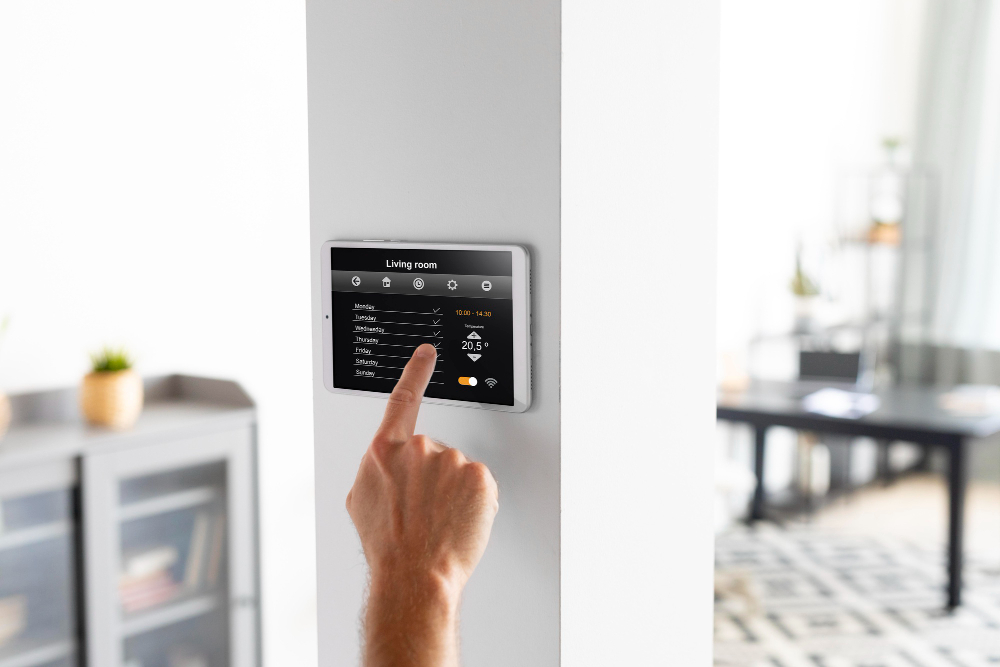
1. Upgrade to a Programmable or Smart Thermostat
One of the easiest wins for any homeowner is swapping out an old thermostat for a programmable or smart model. Devices like the Nest or Ecobee learn your schedule and adjust temperatures automatically, so you’re not cooling an empty house at full blast all day. According to the U.S. Department of Energy, you can save up to 10% per year on cooling costs simply by turning your thermostat back 7–10°F for eight hours a day. In Prescott, where summer afternoons can peak above 95°F, that kind of efficiency adds up quickly.
2. Take Advantage of Prescott’s Cool Evenings
Unlike Phoenix or Tucson, Prescott’s elevation—sitting at nearly 5,400 feet above sea level—means evening temperatures often drop into the 60s, even in the heart of summer. This is a huge advantage that many homeowners underutilize. Open your windows after sunset to flush out the day’s heat with cool night air, then close them again in the morning before temperatures begin to rise. This natural ventilation strategy can reduce how hard your air conditioner has to work during peak afternoon hours.
3. Seal Air Leaks Around Doors and Windows
Even the best air conditioner can’t keep up with a home that’s leaking cool air. Gaps around doors, windows, and attic hatches are among the most common culprits. A simple weatherstripping kit or a tube of caulk—both available at your local hardware store—can seal these leaks and make a noticeable difference in how efficiently your home holds its cool temperature. The EPA estimates that sealing air leaks and adding insulation can save homeowners an average of 15% on their heating and cooling bills.
4. Service Your HVAC System Before Peak Season
A dirty or poorly maintained air conditioning unit has to work harder to produce the same amount of cooling, leading to higher energy consumption and a shorter lifespan. Schedule a professional HVAC tune-up each spring before the summer heat sets in. Have the technician clean the coils, check refrigerant levels, and replace filters. If your unit is more than 10–15 years old, it may be worth considering an upgrade to a higher-efficiency model—modern systems with a high SEER (Seasonal Energy Efficiency Ratio) rating can significantly cut your cooling costs.
5. Install or Add Insulation in Your Attic
Heat doesn’t just come through your windows—it radiates down from your roof. In Prescott’s intense summer sun, an uninsulated or under-insulated attic can act like an oven sitting directly above your living space. The U.S. Department of Energy recommends R-38 to R-60 insulation for attics in Arizona’s climate zone. If your home hasn’t been assessed recently, it’s worth having an energy auditor take a look.
6. Use Ceiling Fans Strategically
Ceiling fans don’t actually lower the temperature in a room—but they make it feel cooler, which means you can set your thermostat a few degrees higher without sacrificing comfort. The key is to make sure your fans are spinning counterclockwise in summer, which pushes cool air down toward occupants. According to Energy Star, using ceiling fans alongside your AC can allow you to raise the thermostat by about 4°F with no reduction in comfort. Just remember to turn fans off when you leave a room—they cool people, not spaces.
7. Block Direct Sunlight with Window Treatments
South- and west-facing windows receive the most direct sun during Prescott’s summer afternoons. Without proper shading, that sunlight can raise indoor temperatures significantly and send your air conditioner into overdrive. Cellular shades, blackout curtains, or solar window films are all effective solutions. For a longer-term investment, consider installing exterior awnings or planting shade trees on the sunny sides of your home. The Department of Energy notes that shading windows can reduce heat gain by up to 77%.
8. Switch to LED Lighting Throughout Your Home
This one is easy to overlook, but traditional incandescent bulbs release about 90% of their energy as heat rather than light. In a home that’s already fighting the summer sun, that excess heat forces your cooling system to compensate. Replacing your home’s bulbs with LED alternatives generates far less heat, consumes up to 75% less energy, and lasts significantly longer. It’s a small change with a surprisingly meaningful impact on both your energy consumption and indoor comfort.
Implementing even a handful of these strategies can translate into real savings on your summer power bill—and a more comfortable home throughout the season. Whether you’re a long-time Prescott resident or just settling into a new home, these upgrades are worth the effort.
Thinking about buying or selling a home in Prescott? Working with a local real estate expert means getting insight into which properties are built for efficiency—and which ones will cost you more to cool. Give Dave & Dena Plane a call today, 928-830-6976 we know this market inside and out.